It was my turned to post on Romance Books 4 Us blog. I compared American Idol to writing.
http://romancebooks4us.blogspot.com/2013/02/how-american-idol-is-like-writing.html
It was my turned to post on Romance Books 4 Us blog. I compared American Idol to writing.
http://romancebooks4us.blogspot.com/2013/02/how-american-idol-is-like-writing.html
Sound-a-like words
By Janice Seagraves
Today my daughter and I were talking about sound-a-like words that mess up a perfectly good sentence.
Ah—as in Ah, I just got that.
Aw—as in Aw, I’m disappointed.
Awe—as in I’m in Awe of the majestic mountains that surround the Yosemite valley.
Then there is:
There—over there by the car.
Their—is a possessive—That’s their car.
They’re— is a contraction of they are—They’re making a get-a-way in their car.
Also:
Yeah—I agree with you.
Yea—a vote.
Yay!—a cheer.
Don’t forget the possessives that don’t always have an apostrophe s (‘s):
Their—possessive of they—that’s their car.
Its—it’s is is a contraction while the possessive of it is its.
What other sound-a-like words can you think of?
It’s my turn to post on Romance Books ‘4’ Us: http://romancebooks4us.blogspot.com/2012/12/turning-i-cant-into-i-can-by-janice.html

I won the Nanowrimo Contest!!!
This is from the winner page:
Congratulations, novelist! You won!
Here at NaNoWriMo HQ, we are cheering ourselves hoarse in recognition of your epic creative accomplishment this November. One month ago, you committed yourself to this wild write-a-thon: 30 days of high-velocity, no-holds-barred, anything-goes noveling.
And now, 50,000 words and one month later, you are a NaNoWriMo Winner!
It’s way too easy to fuss over the details before you get the story written.
The thing is, you have to give yourself permission to write a sloppy first draft, and promise your internal editor it can have a crack at the ms after it is finished.
Trouble with head hopping?
Revision Hell
by Janice Seagraves
1) Do a read through. Read your manuscript like a reader. Either print it out, load it into your ereader or change the font and read it on your computer. Note: changing the font will make your manuscript look different and you can see it with fresh eyes.
2) Keep a note pad by you as you read. Take notes, but keep it simple: Ch. 1 needs a better opening hook. Ch. 2 starts out too slow.
3) After you do your read through, go through it again, but this time write each scene down.
I won’t kid you, this is the hardest part of revision, but it is the most rewarding. Write it simply, Ch. 1: scene 3: the scene where the hero and heroine meet is too slow. Ch. 2: scene 1: the wake up scene is too cliché.
4) As you write each scene add a number from 1 to 10 for its importance to your story. Note: Don’t revise until you write all the scenes down.
5) After you have all the scenes down, you will be able to look each over each scene in your story to see which ones you want to delete. This step helps you see the bigger picture, so to speak.
6) But don’t delete yet!
7) Open a new file on your computer and name it “deleted scenes” with the title of your ms. In this file you’ll paste in the scenes you are taking out. It makes taking out those scenes nearly painless, and when you reread your ms you can see if your ms flows better without them. If it doesn’t then you can always put it back in.
8) After you have taken out the scenes that slowed your prose, reread your entire manuscript like a reader. If it flows, you’re done.
9) Send it to a beta reader, or if you’re feeling really confident sent it to a publisher.
I’m over at Eclectic writer today, talking about how I write: http://wwweclecticwriter.blogspot.com/2012/02/how-she-does-it-janice-seagraves.html
One of the fun things about research is the field trip. 😀

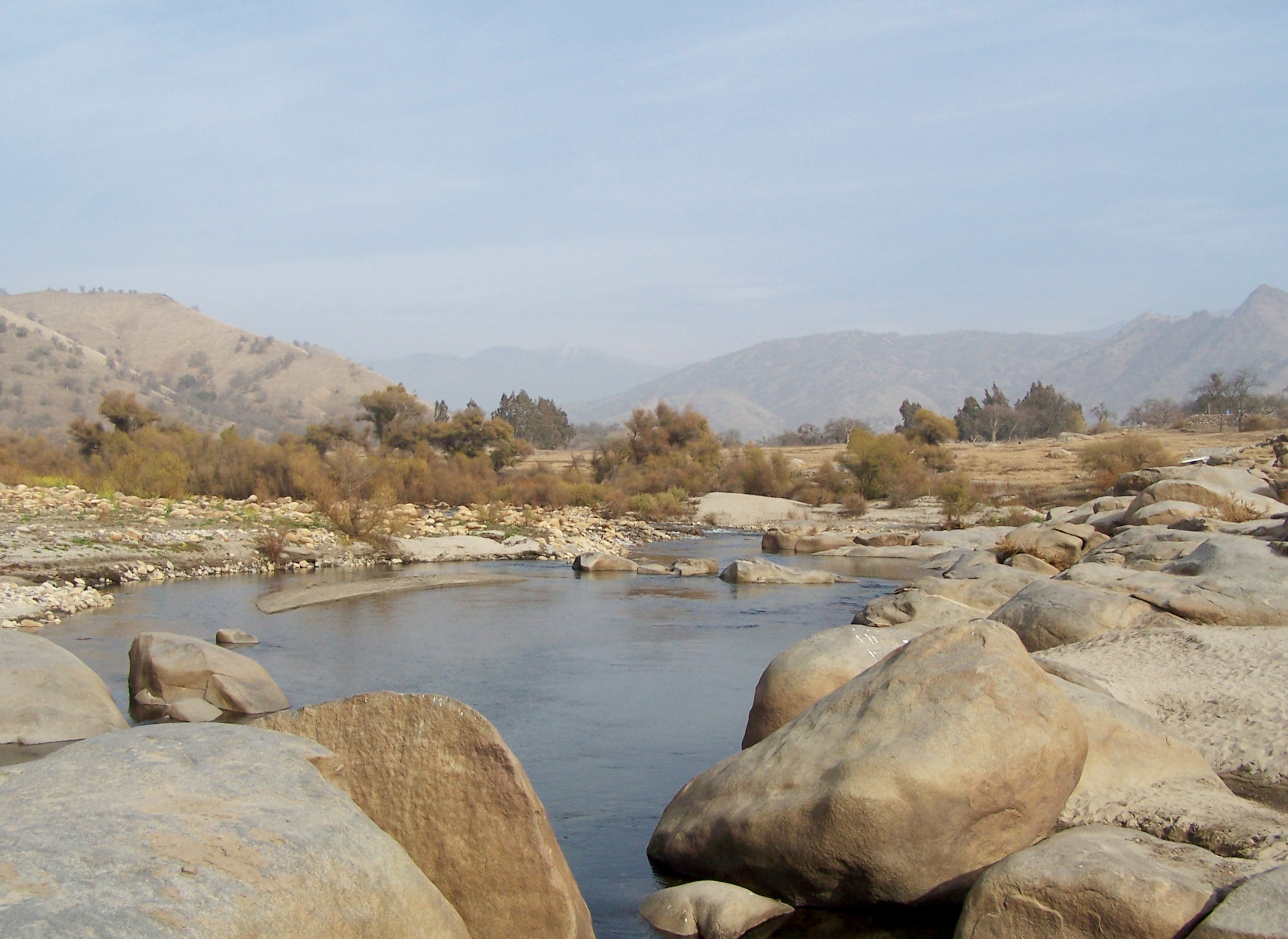
This is the bottom of lake Kaweah. The water is drained so that they could fix the damn, and now the river now runs again in it’s old river bed.

More of the rocks and water.
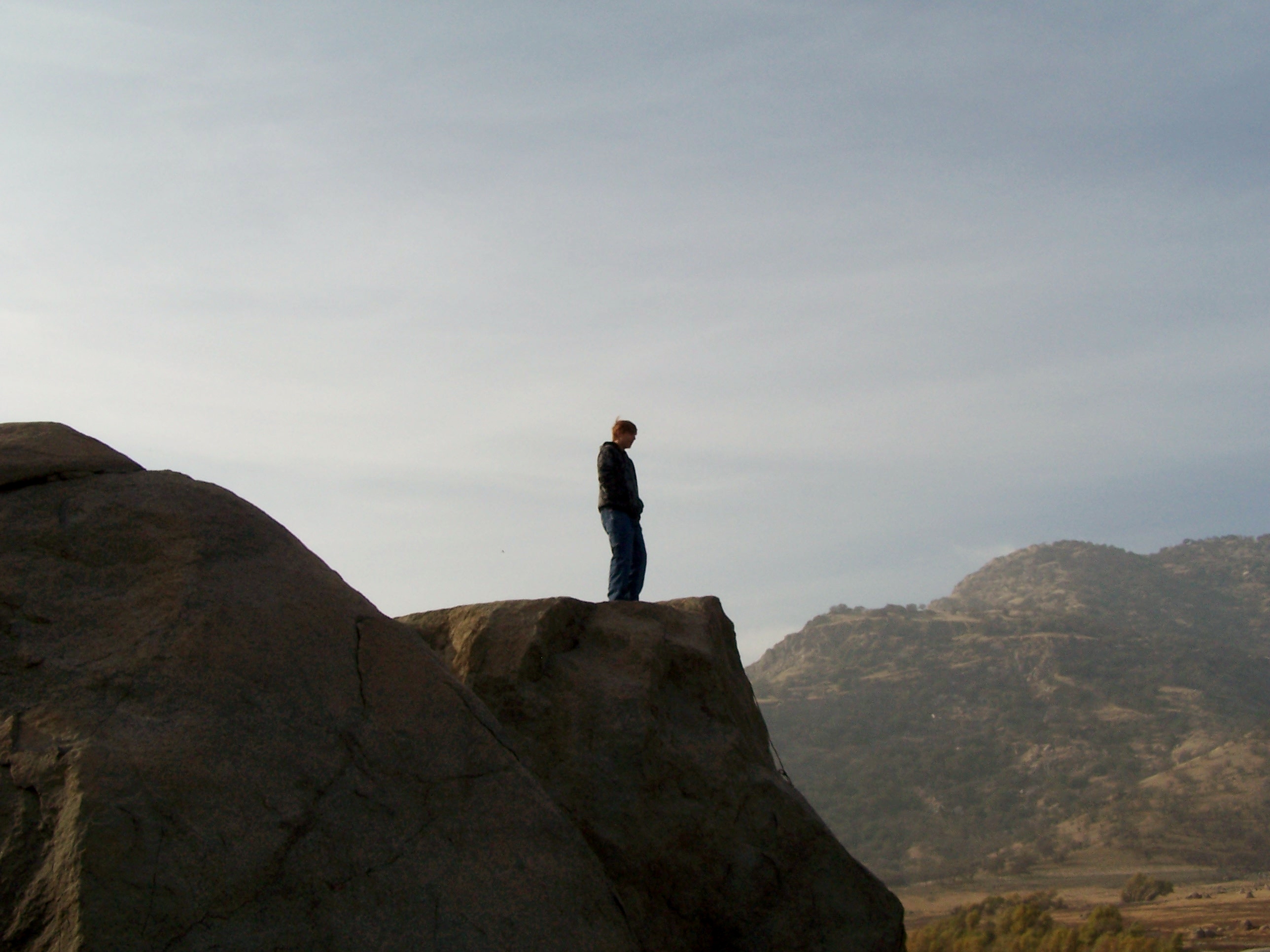
This is Robert my daughter’s boyfriend. I asked him to pose for me.

Ah, now he’s just showing off.
 Janice Seagraves, Author